
Why Mobile-First Is Non-Negotiable for Airside Teams
Mobile-first tools help airside teams access information, complete tasks, and make faster decisions while working on the move.
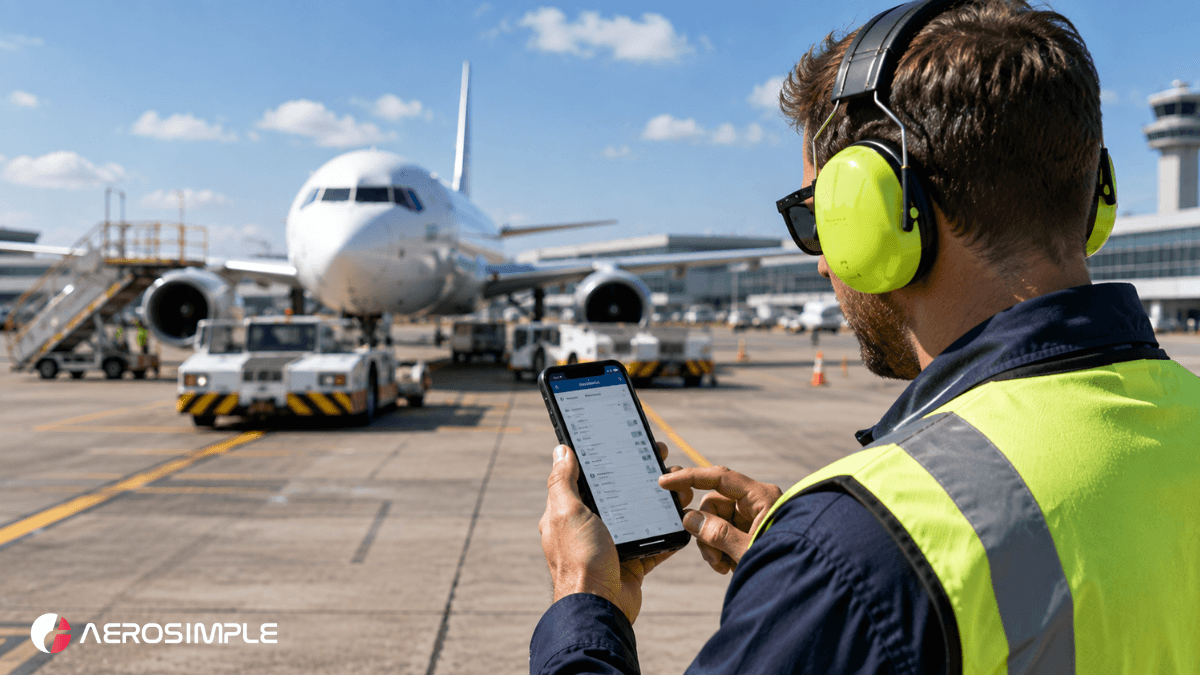
Airside teams don't work behind desks. They inspect runways, respond to incidents, complete maintenance, conduct inspections, and make operational decisions while constantly on the move.
A mobile-first approach gives them the information and tools they need where the work actually happens—on the airfield.
Airports Don't Operate From Desks
The people responsible for keeping airport operations safe aren't sitting behind computer screens. They're inspecting taxiways, responding to FOD reports, conducting wildlife inspections, closing work orders, monitoring contractors, and investigating safety occurrences.
Their office isn't a desk. It's the airfield.
Yet many airports still rely on processes that require field teams to return to an office simply to record information they have already collected.
That delay can lead to incomplete records, duplicated work, and slower action. Modern Airport operations management software should therefore be designed for mobile use from the ground up—not adapted for mobile afterward.
Why Delayed Information Creates Risk
Operational information is most valuable when it is captured at the source.
An inspector who identifies damaged airfield lighting should be able to report it immediately. A wildlife hazard should be documented with photographs and location details while the situation is still fresh. A completed maintenance task should be updated without waiting until the end of a shift.
Mobile-first technology allows teams to capture information immediately, giving supervisors faster visibility and enabling corrective action to begin sooner.
What Mobile-First Really Means
Mobile-first is more than putting a desktop application on a smaller screen.
It means designing workflows specifically for people working in the field.
Airport teams should be able to:
Complete inspections and checklists from the airfield.
Report hazards and capture photographs.
Update work orders and asset records.
Record locations where required.
Scan QR codes or asset barcodes.
Continue working when connectivity is unavailable.
The simpler these workflows are, the more likely teams are to use them consistently.
Offline Capability Matters
Airside connectivity isn't always reliable. Construction zones, remote areas, maintenance locations, and other parts of an airport may have limited network coverage.
Field teams shouldn't have to stop work because they temporarily lose connectivity.
Offline capability allows users to continue completing inspections, reporting hazards, updating work orders, and collecting evidence. Once connectivity is restored, the information can synchronize with the central system.
This keeps operations moving while maintaining data continuity.
One Mobile Platform, Multiple Airport Functions
Mobile technology isn't limited to inspections.
It can support:
Airfield inspections
Safety and hazard reporting
Wildlife and FOD reporting
Work orders and maintenance
Asset inspections
Contractor monitoring
Permit inspections
Safety audits
This is where Airfield inspections automation becomes particularly valuable. Instead of relying on paper forms, spreadsheets, or delayed data entry, teams can capture inspection results and supporting evidence directly from the field.
How Aerosimple Supports Mobile Airport Operations
Aerosimple provides a Mobile airport management app that enables airport personnel to complete inspections, report hazards, update work orders, manage assets, conduct audits, and capture photographs directly from the field.
Offline functionality allows teams to continue working without network connectivity, with information synchronized when a connection is restored.
Because field activities feed into a centralized platform, supervisors gain better visibility into ongoing operations, outstanding issues, and completed work.
The result is faster reporting, stronger accountability, and better operational decision-making.
The Best Airport Software Works Where the Work Happens
Airport operations don't happen behind a desk. The technology supporting them shouldn't be limited by one either.
As airports become more connected and operational demands increase, mobile-first technology is becoming essential for teams working on the airfield.
Giving those teams the right tools where the work happens means faster reporting, better visibility, and safer, more responsive operations.
Discover how Aerosimple helps airport teams work smarter and stay connected wherever operations take them. Click here to book a demo today
Frequently Asked Questions
Why is mobile-first technology important for airport operations?
Mobile-first technology allows airport personnel to capture operational information directly from the field, improving reporting accuracy, reducing delays, and enabling faster decision-making.
What features should a mobile airport operations platform include?
A modern mobile platform should support inspections, hazard reporting, work orders, asset management, photo capture, GPS location tracking, offline capability, and real-time synchronization.
Why is offline capability important for airport teams?
Airport personnel often work in locations where internet connectivity is limited. Offline capability ensures inspections, reports, and maintenance activities continue uninterrupted and synchronize automatically once connectivity returns.
How does mobile technology improve airfield inspections?
Mobile applications allow inspectors to complete digital checklists, attach photographs, record findings instantly, and submit inspection reports without returning to an office, improving both efficiency and data accuracy.
How does mobile software improve airport safety?
By enabling real-time reporting of hazards, inspections, maintenance activities, and operational issues, mobile software gives airport managers immediate visibility, allowing corrective actions to begin sooner and reducing operational risk.