
Management of Change (MoC) in Airports: The Most Ignored SMS Requirement
Management of Change (MoC) helps airports identify and control safety risks before operational changes are made, preventing disruptions and accidents.
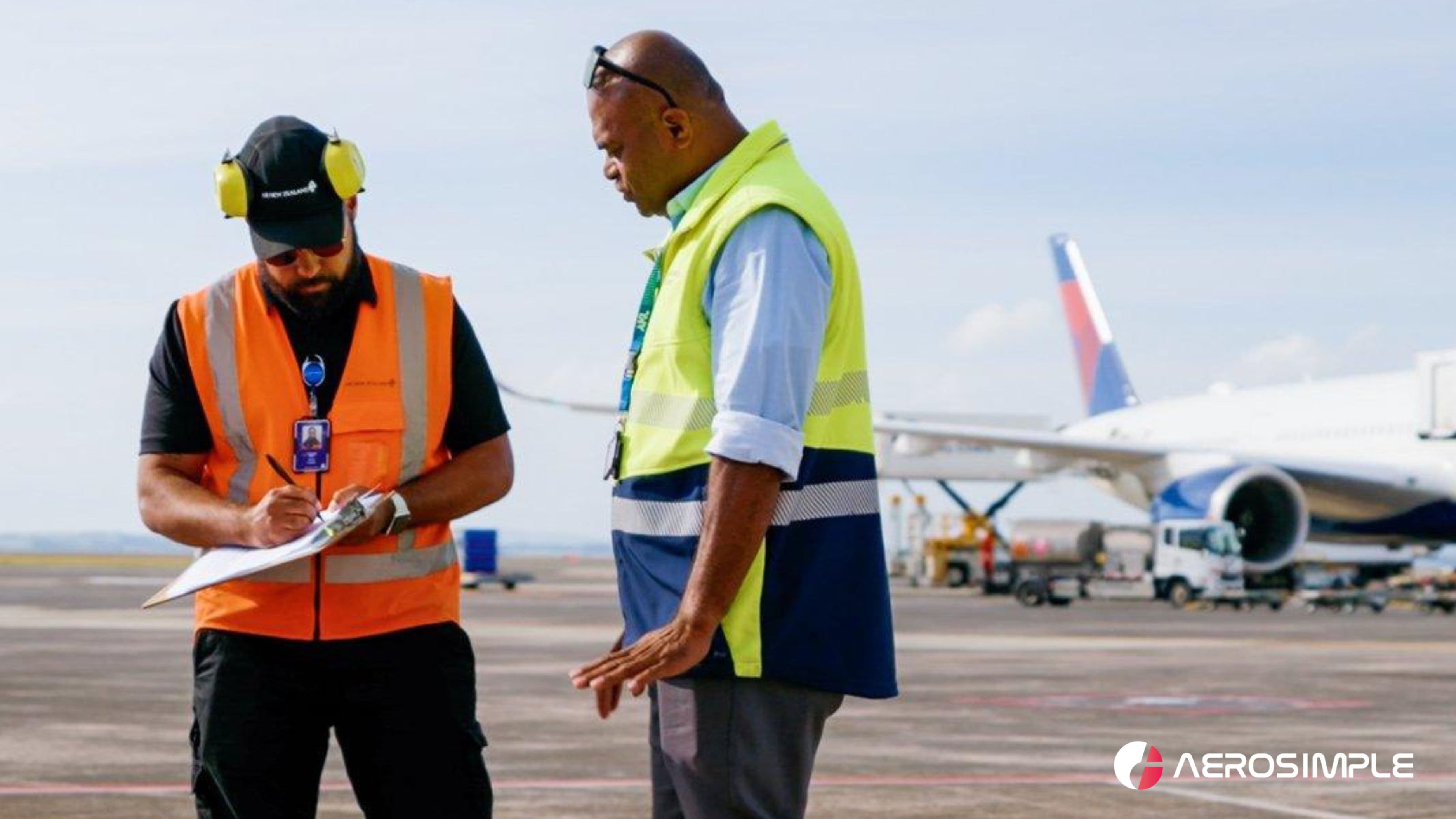
Airports change constantly. Runways close for maintenance, contractors begin new work, technology is upgraded, and procedures evolve. Every change can introduce new risks.
Management of Change (MoC) provides a structured way to identify, assess, and control those risks before they affect airport operations.
Change Is Inevitable. Risk Doesn't Have to Be.
New infrastructure, equipment, technology, contractors, and procedures can all change how people work and where risks emerge.
Within an Airport safety management system, Management of Change (MoC) evaluates the safety impact of operational, organizational, procedural, or technical changes before implementation. It helps teams identify hazards, assess risks, establish mitigation measures, and monitor controls.
Without this process, even well-planned changes can introduce unexpected risks.
Why Change Creates Risks
No change exists in isolation. A taxiway closure can alter aircraft and vehicle movement, construction can introduce temporary hazards, and new equipment may require revised procedures and training.
New contractors and software upgrades can also affect established workflows and responsibilities.
Management of Change ensures these impacts are evaluated before implementation rather than discovered through incidents, disruptions, or audits.
What an Effective Management of Change Process Looks Like
An effective Management of Change process provides a consistent framework for significant changes.
It typically includes:
Defining the change and its scope.
Identifying hazards and assessing risk.
Establishing mitigation measures and responsibilities.
Reviewing and approving the change.
Monitoring implementation and controls.
Recording outcomes and lessons learned.
This turns Management of Change from an administrative exercise into a proactive safety process.
Common Gaps Airports Experience
Common gaps include:
Risk assessments completed after implementation.
Departments evaluating changes independently.
Hazards not linked to corrective actions.
Limited review of contractor-related changes.
Approval records scattered across emails and spreadsheets.
No formal review of mitigation effectiveness.
These gaps may only become visible after an incident, audit, or operational disruption.
Management of Change Should Connect the Entire SMS
Management of Change should not operate alone. A strong Safety management system for airports connects it with:
Risk & Hazard Reporting Tools
Safety Risk Assessments (SRAs)
Corrective actions
Inspections and audits
Training
Document management
This gives teams better visibility into how changes affect the wider operation.
Building a Strong Safety Culture Around Change
Management of Change is not about slowing projects down. It ensures improvements do not introduce unintended consequences.
Consistent evaluation encourages earlier collaboration, better risk awareness, and more informed decisions.
As part of modern Airport technology management, Management of Change supports a more connected approach to safety, accountability, and operational resilience.
How Aerosimple Supports Management of Change
Aerosimple enables airports to digitize and standardize Management of Change within a centralized airport operations management software platform.
Teams can initiate change requests, identify hazards, perform risk assessments, assign mitigation actions, route approvals, and monitor implementation from one platform.
Management of Change can connect with hazards, SRAs, inspections, audits, corrective actions, training, and document management, creating a traceable record throughout the change lifecycle.
Dashboards, notifications, reporting, and audit trails help stakeholders evaluate changes consistently and monitor safety controls.
Managing Change Before Change Manages You
Every operational improvement can introduce new risks. Resilient airports are not those that avoid change—they are those that understand and manage its consequences.
Management of Change helps airports identify hazards early, involve the right stakeholders, verify mitigation measures, and ensure improvements do not compromise safety.
As airport operations become more complex, Management of Change is more than an SMS requirement. It is a practical discipline for building safer, more resilient operations.
Discover how Aerosimple helps airports digitize Management of Change within a fully integrated Airport Safety Management System. Click here to book a demo
Frequently Asked Questions
What is Management of Change (MoC) in an Airport Safety Management System?
Management of Change (MoC) is a structured SMS process that evaluates the safety risks associated with operational, organizational, procedural, or technical changes before they are implemented. It helps airports identify hazards, assess risks, and establish mitigation measures before changes affect daily operations.
Why is Management of Change important for airports?
Operational changes can introduce new hazards that are not immediately obvious. Management of Change helps airports proactively identify and control these risks, reducing the likelihood of incidents, operational disruptions, and compliance issues.
What types of airport changes require a Management of Change assessment?
Management of Change should be considered for significant operational changes, including infrastructure projects, procedural updates, software implementations, equipment replacements, organizational restructuring, contractor activities, airfield modifications, and regulatory changes.
How does Management of Change support regulatory compliance?
A documented Management of Change process demonstrates that airports assess risks before implementing significant changes. This supports compliance with Safety Management System requirements and provides clear evidence during regulatory audits.
How does digital Management of Change software improve airport safety?
Digital Management of Change software centralizes change requests, risk assessments, approvals, mitigation actions, and audit records within a single platform. This improves collaboration, increases visibility, strengthens accountability, and ensures every change follows a consistent, traceable safety process.